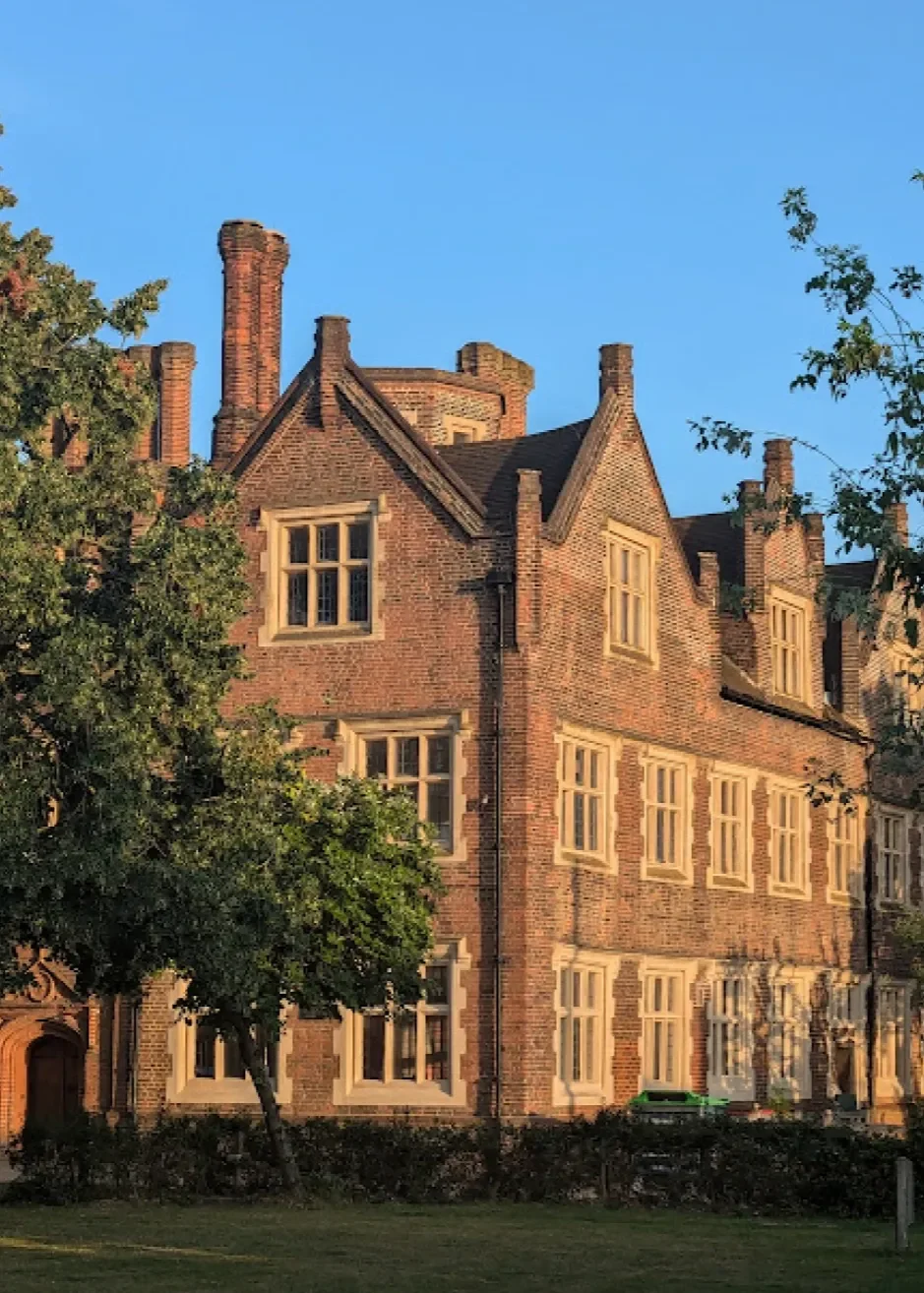
Eastbury Manor House remained a family home throughout most of its history. Here you can discover some of the people that lived and worked here throughout the centuries.
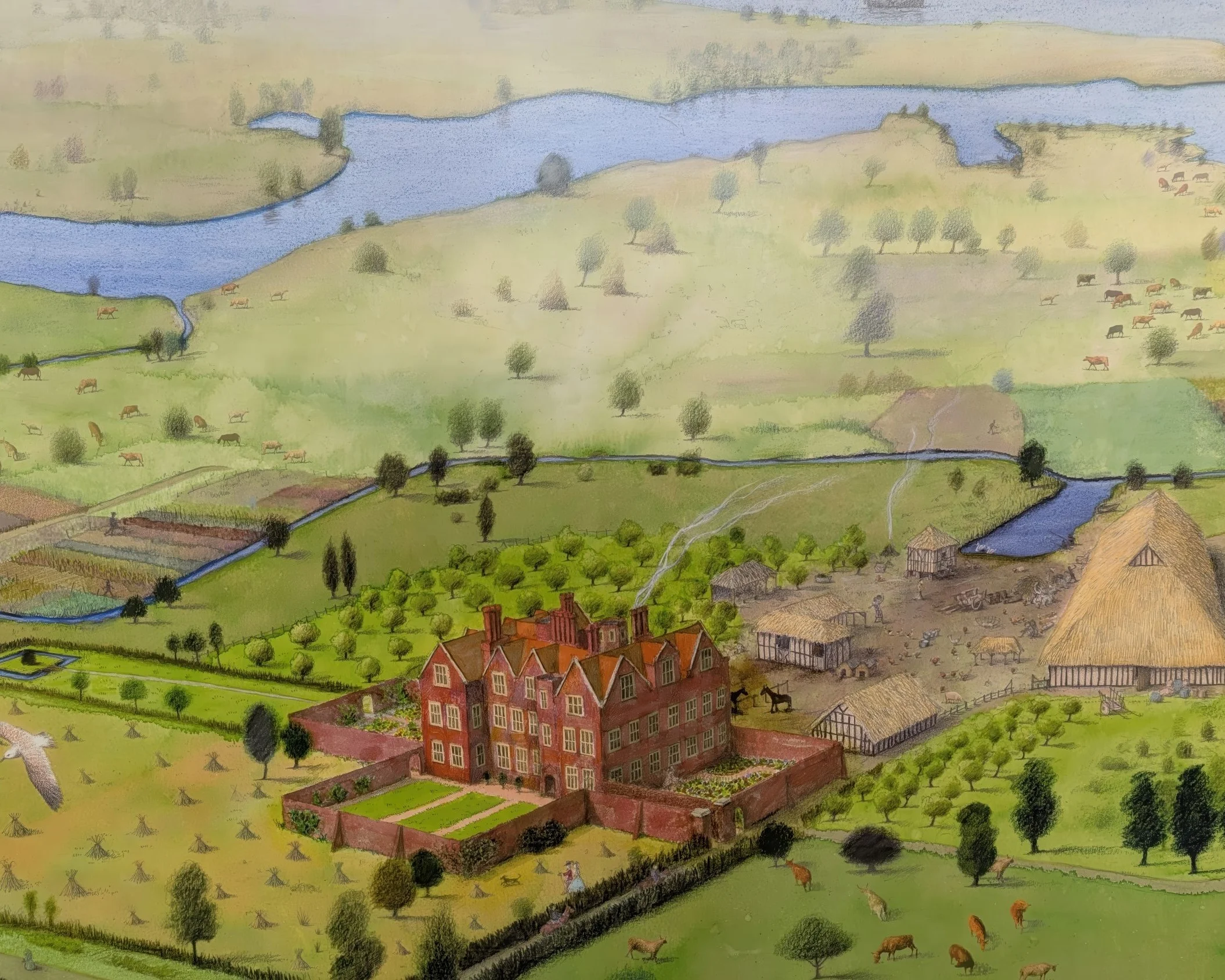
Eastbury Manor House, as it stands today, was the vision of Clement Sisley, who built the house for his family as a country retreat. The family moved in to the completed home some time between 1567 and 1573.
Clement was the son of Richard Sisley, from Sevenoaks in Kent. He relocated to Essex as an adult, and can be linked with numerous places including Wickford, East Ham, and of course Barking. His employment includes a position as Justice of the Peace, attending to some of the most serious court cases at Brentwood and Chelmsford. His reign at Eastbury was quite short-lived, dying in 1578.
One mystery surrounding his past is quite where the wealth required to build Eastbury may have come from. Some inheritance, perhaps, and a healthy marriage settlement on marrying Anne, plus earned wealth from his employment and landowning; but it is still rare for a home as grand as this to be built by someone of whom much is still unknown.
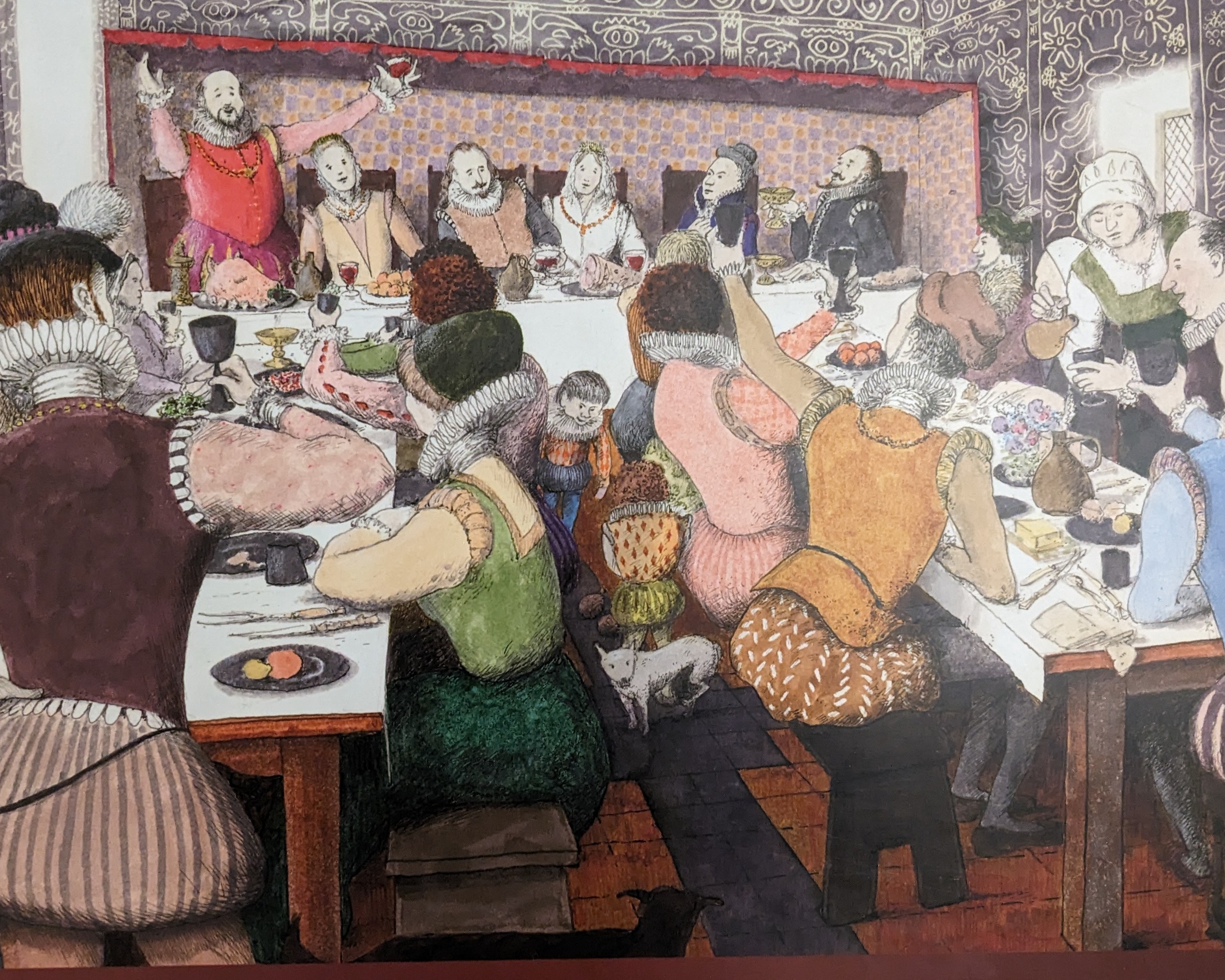
Married to Clement, Anne was the daughter of Thomas Argall and Lady Allington. Whilst not educated at college, it is widely thought that Anne learned to read and write at home- certainly her family were well-connected. Lady Allington is known to have entertained Queen Elizabeth I on her passage through Cambridge in 1578; a trip which caused problems for Ann's son Thomas, heir to Eastbury.
The natural heir to Eastbury, Thomas was underage, and therefore in need of a ward until he turned 21. Unfortunately, Lady Allington was named as one of three keyholders to Clement's will. Documents could not be accessed as she was away with Elizabeth I, and Anne Sisley had no recourse to access funds and settle debts and accounts. Her solution was to marry again, to Augustine Steward. However, it was clear Augustine Steward had other ideas for Eastbury- declaring himself Thomas' ward, and therefore the reins of power over Eastbury.
Anne married Augustine Steward in 1580. Augustine's meticulous record-keeping is to thank for much of what we know of the early history of Eastbury Manor and its changing of hands.
These records also show how turbulent things were. Thomas Sisley was described as a wastrel, and many disagreed with the way Steward managed the house's affairs. When Thomas eventually came of age, the Crown's 'concealed land' initiative left him needing to raise a large sum in order to retain ownership. Eventually Augustine agreed to take on this burden, giving Thomas and his mother an income for life, providing the house was given over to his son and heir Augustine Steward the Younger, and thus he inherited Eastbury.

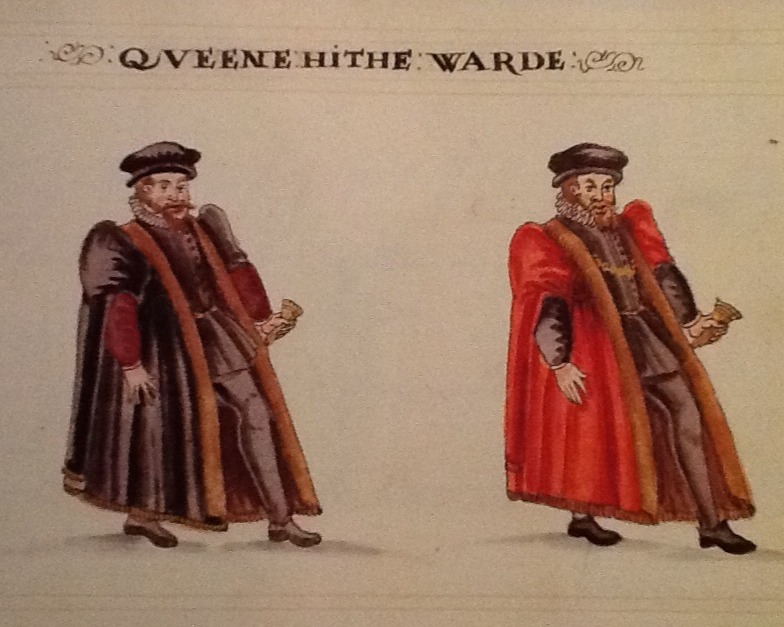
The next notable tenants of Eastbury were John Moore, his wife Mary and step-daughter Maria Perez de Recalde.
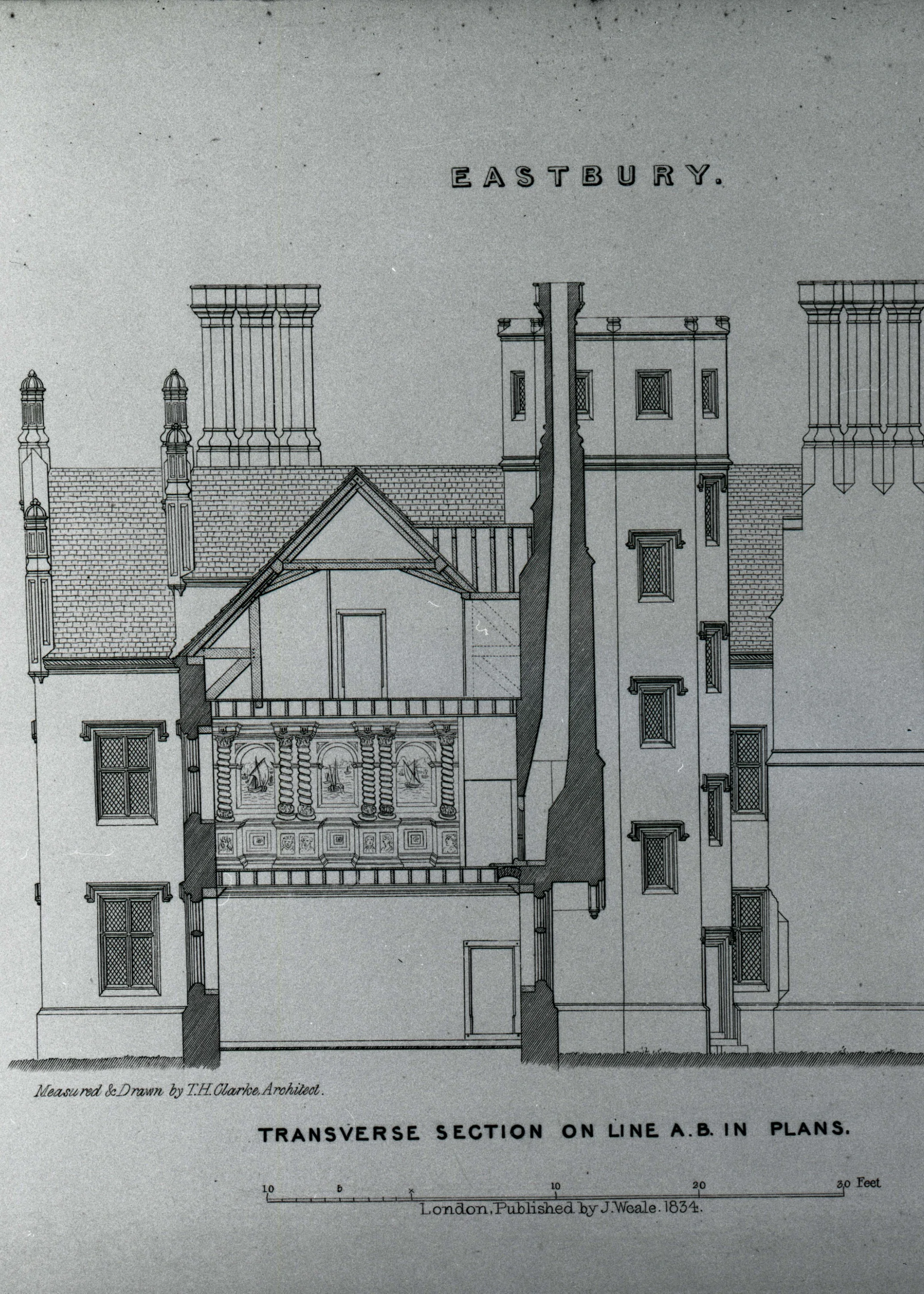
Having worked as a factor in Bilbao for many years, John and family fled to England around the time of the Spanish Armada (1588), and settled soon after at Eastbury. During their relatively short tenancy, Moor commissioned the wall paintings that can still be seen at Eastbury. John died in 1603, but not before his Spanish step-daughter married Lewis Tresham. Both devout Catholics, this match draws Eastbury close to the 1605 Gunpowder Plot.
Lewis' brother Frances Tresham fought against English laws restricting Catholicism, and their kinship with Robert Catesby, one of the lead conspirators, led to rumours that Eastbury was the plotting location for the conspirators. Close enough to London but out of sight, there is no evidence to confirm this ever happened, but visitors still find intrigue in this, and more elaborate rumours!
Whilst at Eastbury, Maria was granted a special dispensation to practice Catholicism, quite a rare occurrence in a country with an increasingly oppressive Protestant rule.
Following a period of ownership within the Vyner Estate, starting with Goldsmith Thomas Vyner in 1650, Eastbury eventually passed into the hands of William Sedgwick around 1725. His sister Rebecca Powell married the then Eastbury Tenant Farmer Thomas Newman. From this point on, the tenancy remained with members of the Newman family for a sustained period, up until the 1790s. Innovations in farming techniques helped the farm at Eastbury flourish. Evidence shows that the family also invested in protecting the land from flooding (the Thames was still tidal to this point) by developing inlets and brooks.
During this period and whilst the Newmans were tenants, ownership of Eastbury changed once more. John Weldale bought the property, but died a year later, Eastbury passing to his three sisters. One of them, Mary Weldale, commissioned a map of Eastbury, which gives one of the most detailed insights into the arrangement of the land, house and gardens at the time.
From 1773, Eastbury was inherited into the Sterry family, via Mary Sterry, cousin of the Weldale sisters. Still under the tenancy of another Newman (and another Thomas Newman!), the Sterrys used Eastbury as a recreational retreat. A new clause in the Newman's lease stated they must provide a room and meal for the Sterry family to use on hunting and fishing trips.
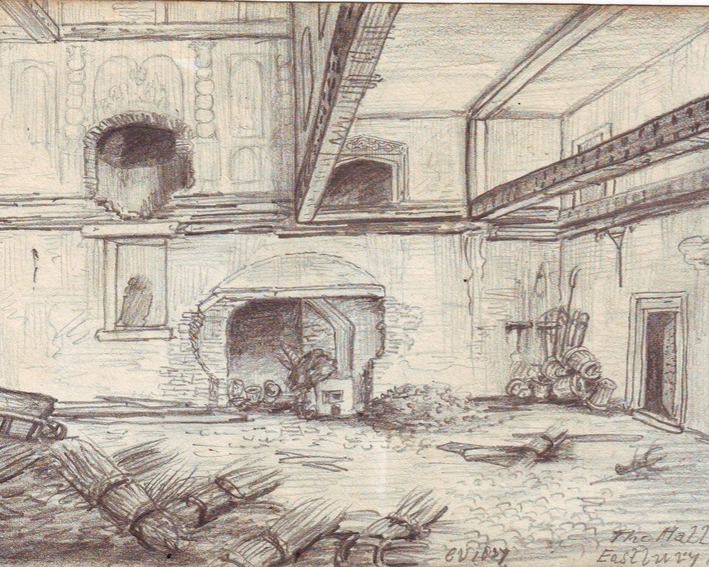
They continued to own Eastbury throughout the 19th century. However, after a settled start to the century, Eastbury began to fall on hard times; records show how materials and parts of the house were being routinely sold; bricks and beam, fireplaces and surrounds. One such fireplace was sold to Nymans, Sussex. Victim to a fire and now largely in ruins, you can still see the fireplace which has survived there, albeit in poor condition. During this time, Eastbury began to change; stabling and haylofts were created in the East wing, with tenant farmers living in the west.
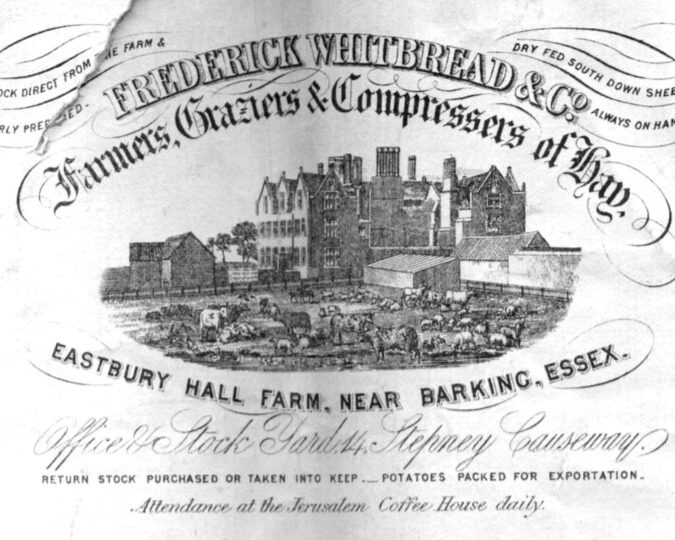
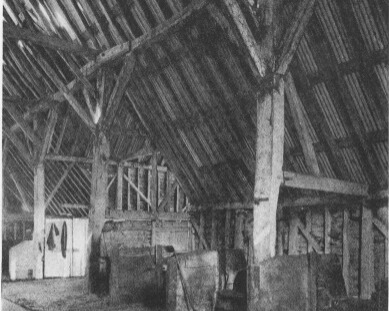
Frederick Whitbread was one of the last tenants at Eastbury in the mid-late 19th Century. Seizing on the opportunity of more land for livestock and feed crops, Whitbread was an innovator, mechanising tasks previously done by hand. Ships venturing on longer journeys needed to take live animals on board for food supplies, and hence they needed their own food supply, which Whitbreads' entrepreneurial nature seized upon. It provides an interesting example of how businessmen and manual workers like Whitbread were a part of the imperialism and colonial ventures, even if they did not realise or intend it.
The last tenant farmer at Eastbury was Bill Smith. Bill and family were at Eastbury until 1911. By this point, nearby land was being used as test sites for early aircraft. The inevitable sprawl of the city was just around the corner, and would change Eastbury and its surroundings forever.