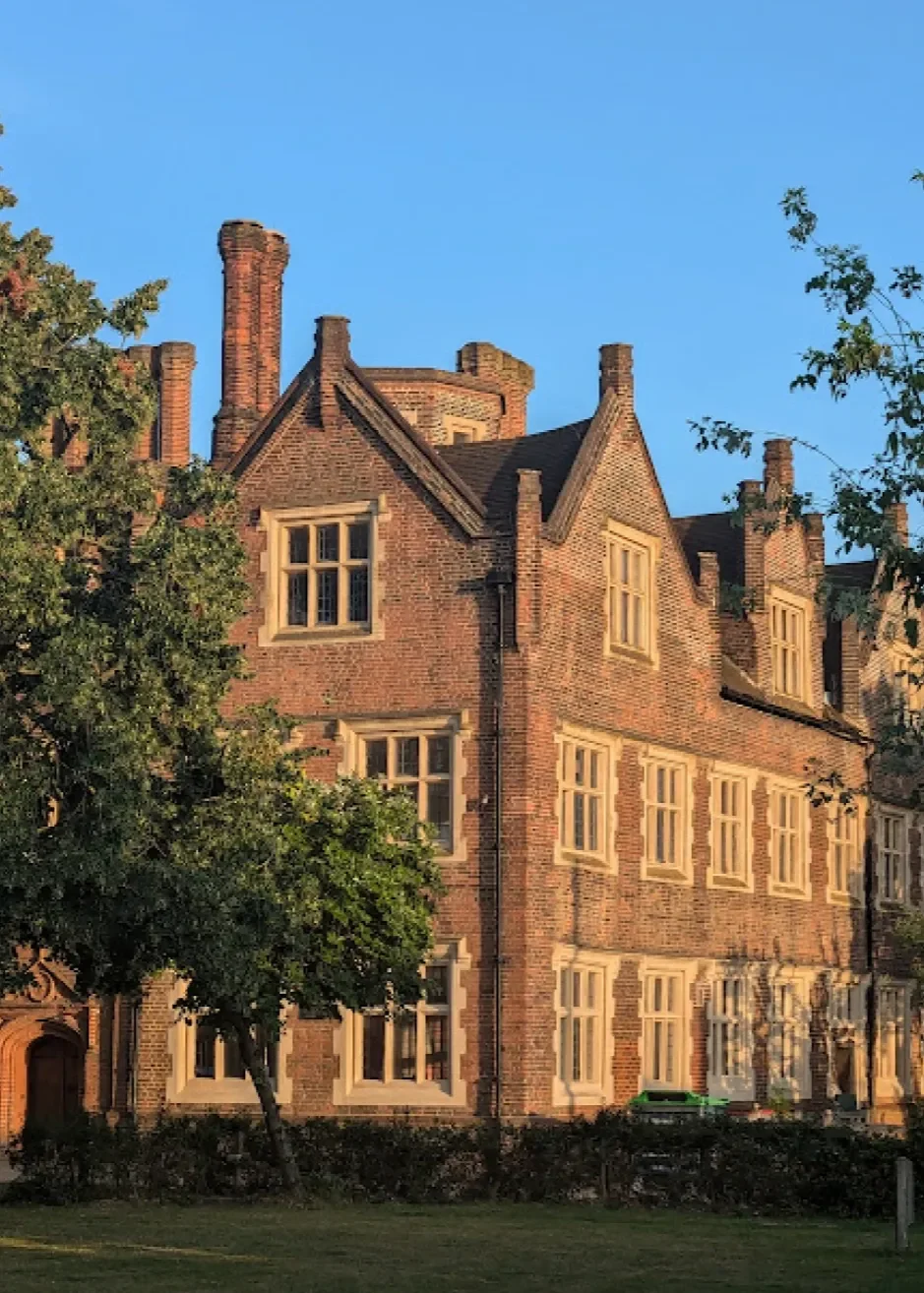
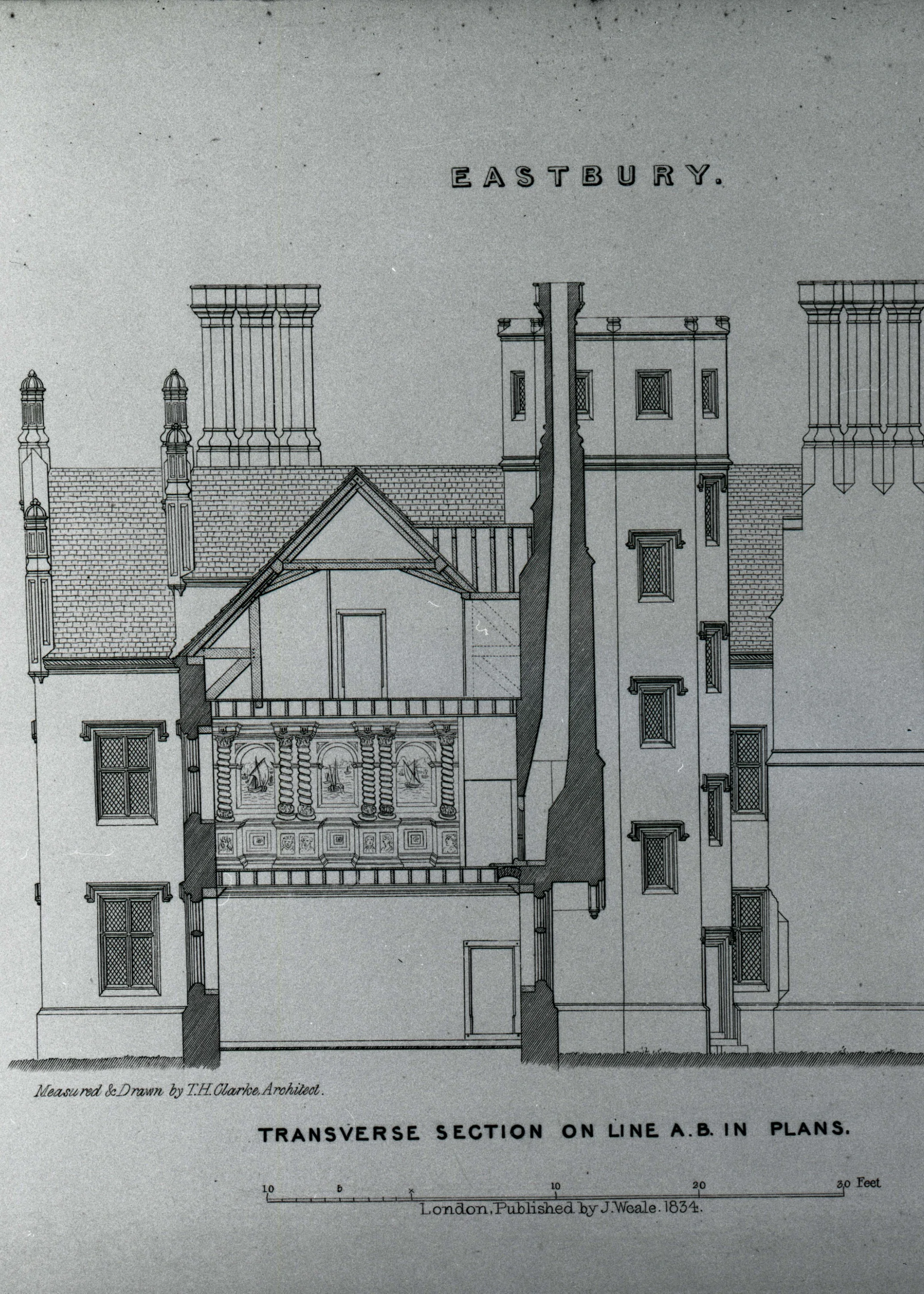
Between 1560-1573, the local landscape would change forever as new land owner Clement Sisley builds Eastbury Hall- a house of grandeur and style.
When Clement Sisley came looking for a suitable place to build his country retreat, Eastbury was a location brimming with potential. In 1557, he acquired the title deeds from John Keele, who he had previously made land purchases with. The speed of this transaction suggests a financial arrangement of some sort took place.
Eastbury's location close to the thriving market town of Barking, though still rural enough to allow plenty of space for generating income (through corn tithes, arable land etc), was a match for Sisley's requirements. The added bonus of transport links via the Thames to the City of London and City of Westminster might have sealed the deal- he and his family also owned a house in Bishopsgate.
Clement's marriage to Anne Argall no doubt helped substantially, with a generous £200 marriage settlement put to good work in building their country retreat. The notion for Eastbury Hall was set, and by 1560, work was underway to bring this vision in red brick to life.
The house was clearly designed to make an imposing, grandiose impression. The large numbers of windows, and many chimney stacks clear symbols to passers by of wealth and status. The roof timbers were felled in 1566, giving us some idea that the house was beginning to take on it's final layout by this time; work would have continued right through the summer months, offering employment for local craftsmen.
By 1573, Eastbury Hall was completed and stood alone but for the Tithe barn nearby, with views from its two towers across the surrounding landscape. The house you see today had arrived.

When Eastbury was built, there were very few settlements recorded. This drawing taken from Eastbury in 1779 shows the unrestricted views across the marshes towards St Margarets, Barking.
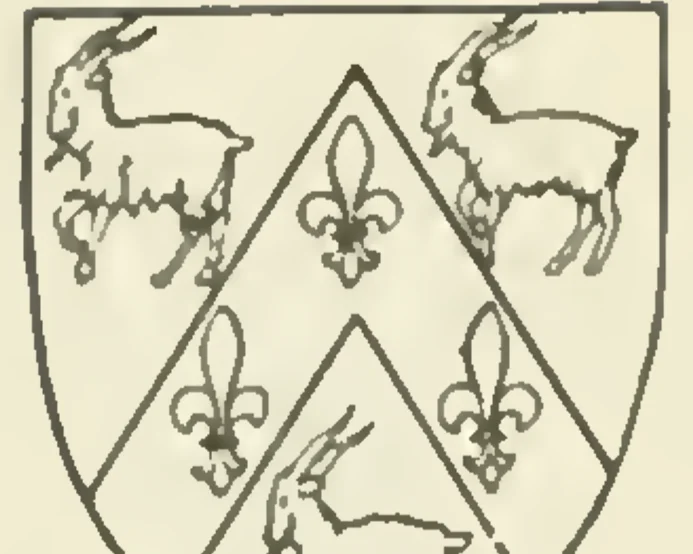
Sisley's family crest, featuring 3 fleur de lys inside a chevron, and three goats. A family crest was often considered a sign of nobility or wealth- poorer families would not have the resources to fund such an emblem.
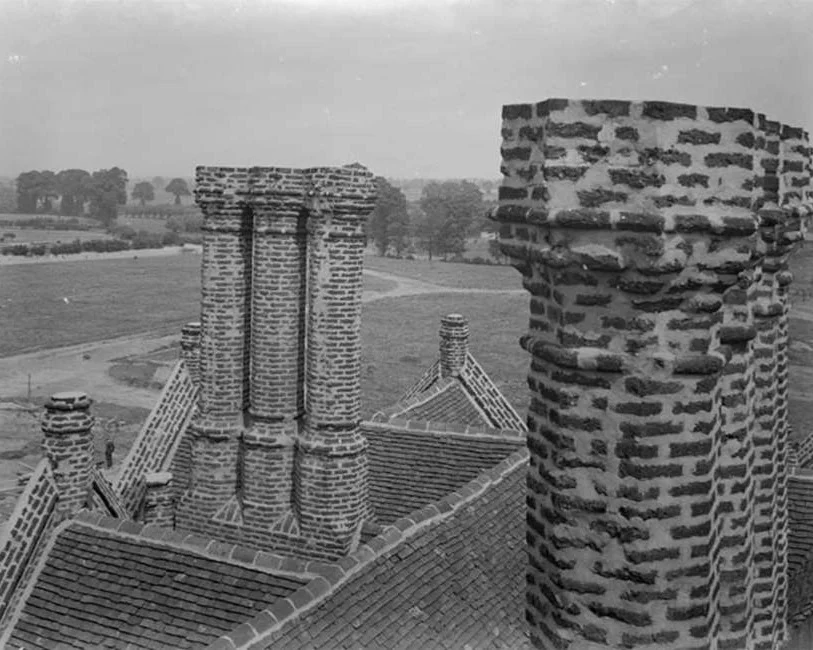
An impressive number of chimney stacks, sixteen in all, were including in the original design- all remaining today. The central set of five includes one which is just for show, it isn't actually open!
When Eastbury was built, there were very few settlements recorded. This drawing taken from Eastbury in 1779 shows the unrestricted views across the marshes towards St Margarets, Barking.
Sisley's family crest, featuring 3 fleur de lys inside a chevron, and three goats. A family crest was often considered a sign of nobility or wealth- poorer families would not have the resources to fund such an emblem.
An impressive number of chimney stacks, sixteen in all, were including in the original design- all remaining today. The central set of five includes one which is just for show, it isn't actually open!